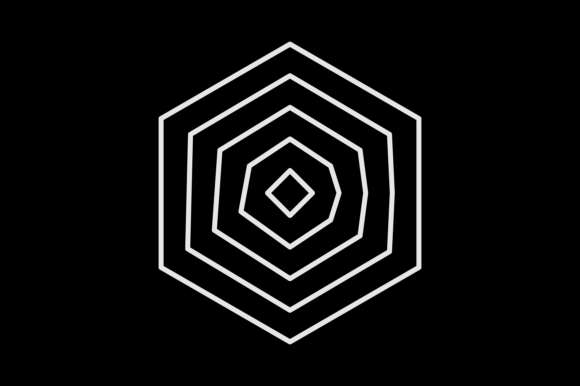
The Pentagon Pattern: A Designer's Perspective
When a new design lands in your digital library, it’s not just about the download. It’s about imagining it stitched out. It’s about judging whether it will translate beautifully into thread and fabric, and ultimately, whether it will resonate with the person who wears it, uses it, or receives it as a gift. The Universal Shape Design Pentagon Pattern is one of those files that sparks that process immediately.
First Impressions: Mood and Practicality
My first glance at this Pentagon Pattern tells me it’s a confident, clean, and versatile graphic. The shape itself—the pentagon—has a modern, geometric feel. It’s not overly cute or ornate; it feels structured and purposeful. This creates a mood that is contemporary, slightly minimalist, and incredibly adaptable. Its visual personality isn’t shouting a specific theme; it’s offering a strong, recognizable shape that can become a foundation. This is the kind of embroidery design that naturally belongs to projects where you want a clear, bold element without a lot of narrative fuss.
A Real Scenario: The Custom Tote Bag Dilemma
Let’s say I’m preparing a custom embroidered tote bag for a small shop client. They want something that represents their brand—a boutique that sells curated home goods—but isn’t a literal logo. The pentagon pattern comes to mind. I can imagine it stitched in a single, elegant thread color, perhaps a deep navy or a warm terracotta, placed centrally on the bag’s front panel. Its clean lines would offer a professional, almost architectural feel, suggesting quality and thoughtfulness. A customer’s reaction? They’d likely perceive it as a refined, well-made item. It’s not a chaotic floral or a cartoon character; it’s a design that feels intentional and elevates the basic tote into a branded, valuable product.
Performance Across Real Embroidery Projects
This is where we move from theory to the machine. How does this pentagon shape perform when we actually bring it to life on various items?
For custom apparel like sweatshirts and t-shirts, a well-digitized pentagon can be a fantastic focal point. On a heavyweight sweatshirt, its satin stitch borders or fill stitch interior would have a lovely, tactile presence. On a baby item, like a little romper, a smaller version of the design could act as a sweet, modern accent without overwhelming the delicate garment. For patches, the defined edges of the pentagon are a dream—they create a natural, clean boundary for the patch edge itself.
Consider home goods: an embroidered pillow cover or a kitchen towel. Here, the design’s geometric nature plays well with other modern decor. It could be repeated, mirrored, or stitched in a contrasting thread on a neutral linen towel for a striking effect. As a holiday gift or personalized product, it’s neutral enough that it doesn’t lock you into a specific season or gender, making it a safe yet stylish choice for a gift where you might not know the recipient’s exact tastes.
For small business merchandise, Etsy listings, and craft fair products, this kind of design is a solid asset. It allows for consistency—you could use the same pentagon motif across different products (totes, aprons, caps) to create a cohesive brand look without needing a complex logo. It also works beautifully in printable mockups and as a digital product preview, because its simplicity renders clearly and attracts buyers looking for versatile, easy-to-use embroidery files.
Where Caution and Skill Come Into Play
No design is universally perfect for every scenario, and an experienced embroiderer knows to assess the challenges. With a shape-based graphic like this Pentagon Pattern, a few considerations are key.
- Small Hoop Sizes & Detailed Corners: If you’re aiming for a tiny version on a cap’s curved front or a baby sock, the five corners of the pentagon need to be digitized with care. You’ll want to test on scrap fabric to ensure the points remain sharp and don’t get lost in a puddle of stitches.
- Fabric Texture and Color: On highly textured fabrics like some blankets or knit caps, the design’s clarity might soften. On thin or stretchy fabric, stabilizer choice is paramount to prevent distortion of those straight lines. And on dark fabric, your thread color contrast becomes the hero—a light or metallic thread could make this design pop spectacularly.
- Stitch Density and Washability: For items that need frequent washing, like aprons or kitchen towels, a very dense fill stitch inside the pentagon might be less ideal, as it can feel stiff and wear differently. A lighter fill or even an open running stitch outline might offer better durability and a softer hand feel.
Affecting Appeal, Value, and Trust
How does using this design affect the final product’s appeal? A cleanly stitched pentagon pattern conveys a sense of order and professionalism. It doesn’t look amateurish or hastily chosen. For a customer, that builds trust in the handmade product. It suggests the maker has a design eye. This directly impacts product value—a tote bag with a thoughtful, well-executed geometric design can command a higher price than one with a generic, clip-art-style motif.
For brand consistency, it’s a strong tool. A small shop using this shape across various items creates subtle recognition. For giftability, its neutrality is actually a strength; it feels personal because it was chosen and stitched for someone, yet it’s not so specific that it risks not fitting their style. Ultimately, it engages a buyer who appreciates modern, minimalist aesthetics.
Practical Notes for the Embroidery Designer
Before you hit ‘start’ on your machine, here’s my checklist from years of testing designs like this:
- Always test on scrap fabric first, ideally a similar type to your final project fabric. This reveals how the stitch density behaves and whether any corners or small details need adjustment.
- Check thread color contrast against your background fabric. Create a simple black and white mockup on screen to judge the contrast purely on value (light vs. dark), not hue.
- Review the design in your software at the actual hoop size you’ll use. Inspect those corners and lines. Does the embroidery file seem balanced?
- Use proper stabilizer. For geometric designs on apparel, a good cut-away or tear-away can make all the difference in maintaining those sharp lines.
- Consider the project’s end use. Is this for a personalized gift you’re making once, or for a line of small shop product you’ll produce repeatedly? The latter requires absolute consistency in your setup.
- Most crucially: confirm the licensing before selling finished items or digital products. The product description mentions it’s ideal for DIY and more, but as a professional, you must verify the specific terms for commercial use. Don’t assume.
The Universal Shape Design Pentagon Pattern is, in my judgment, a robust and valuable graphics asset for an embroidery designer’s toolkit. It won’t do the creative work for you—it’s not a full scene or a detailed character. But it provides a powerful, flexible shape that, when stitched with care and intention, can elevate countless projects from simple crafts to professional, market-ready products. Its success lies not in the file itself, but in how you, the designer, choose to bring it to life.