Evaluating a Valentine Design for Real Embroidery Projects
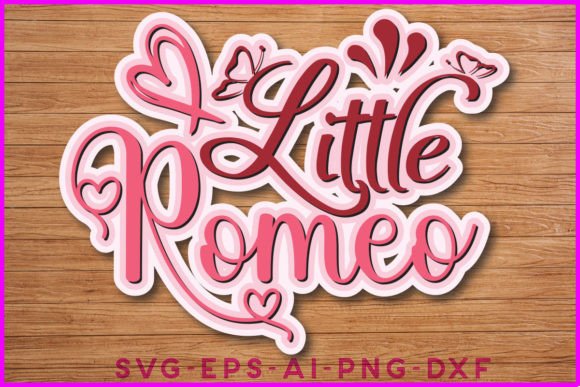
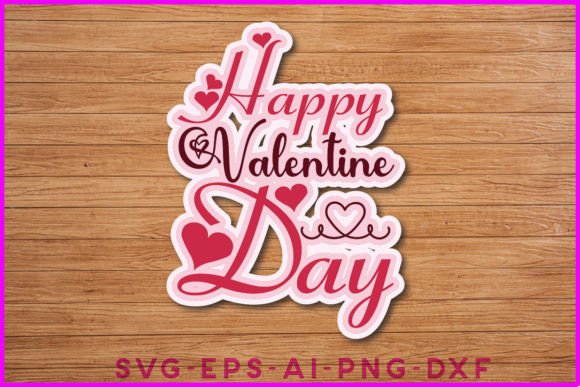
When a new embroidery design lands in my library, I approach it the way I would a fabric swatch or a thread palette. It’s not just a digital asset; it’s a potential project waiting to be stitched. Today, I’m considering the Happy Valentine Day Sticker Design, imagining exactly where and how I’d use it for my client work and personal craft business.
The Immediate Mood and Visual Personality
First impressions are crucial. For a designer, the initial glance tells me if a design has the visual weight to carry an embroidery project. This particular Valentine theme suggests a playful, retro-inspired feel, likely leaning into a sticker-like aesthetic. That means bold outlines, simplified shapes, and a layout meant to be eye-catching rather than intricately detailed. The mood is cheerful and celebratory, perfect for a gift or seasonal product.
Its personality feels suited for projects where the design is the star—think a single statement on a sweatshirt pocket or a centered motif on a tote bag. It doesn’t whisper; it announces. For small business owners, this kind of clear, thematic graphic can be a solid foundation for holiday merchandise, from embroidered pillow covers to kitchen towels meant as Valentine gifts.
Where This Design Naturally Belongs
My mind immediately runs through a real-life scenario: preparing a custom embroidered tote bag for a client’s boutique. They want a limited-run Valentine product that feels handmade but polished. The Happy Valentine Day Sticker Design fits that niche perfectly. It’s graphic enough to look clean and professional when stitched, yet the “sticker” style implies a fun, accessible handmade product.
Beyond tote bags, I envision it on the front of a heavyweight sweatshirt, where the design’s boldness can hold up against the fabric’s texture. It would also shine as an embroidered patch, appliqued onto a denim jacket or a baby’s bib for a personalized gift. For crafters and apparel decorators, the uses are broad: apron pockets, cap fronts, tea towels, or nursery decor pillows. Its straightforward nature makes it adaptable.
A Note on Commercial and Gift Use
For Etsy sellers and creative entrepreneurs, this design’s clarity aids in buyer engagement. A well-stitched version on a product photo speaks directly to a customer looking for a recognizable, heartfelt gift. It boosts the perceived value of a handmade item because the intent is obvious and the execution looks intentional. This is key for building customer trust and brand consistency across a shop’s holiday line.
Practical Performance in the Hoop
How a design translates from screen to stitches is the real test. For this Valentine design, the “sticker” label suggests it likely relies on clean areas of satin stitch or fill stitch for its main elements, with perhaps running stitch details. This is generally good news for embroidery performance.
On stable fabrics like canvas for tote bags or cotton twill for caps, it should stitch out cleanly. On textured fabrics like sweaters or hoodies, however, careful stabilizer choice becomes critical to maintain the design’s sharp edges. The potential challenge lies in any small, enclosed details or tiny lettering within the graphic. On thin or stretchy fabrics, those areas could lose clarity or cause puckering.
I’d be particularly mindful using it on dark fabrics. The thread color contrast needs to be strong and deliberate to make the cheerful mood pop. A light design on a dark background requires perfect stitch density to avoid the fabric showing through and dulling the effect.
Where to Exercise Extra Caution
Every design has its ideal applications and its risk zones. With this one, I’d proceed carefully on very small hoop sizes. Reducing the design significantly might compress those bold shapes into a dense, muddled stitch area. Curved surfaces like caps can also distort a flat, graphic layout if the design isn’t properly adapted or centered.
For products destined for frequent washing—like baby clothes or kitchen linens—the integrity of the stitching is paramount. I’d want to ensure the design isn’t so dense in one area that it creates a stiff, uncomfortable patch on a baby’s jumper or a point of wear on a towel. Testing on scrap fabric of the same type is non-negotiable here.
Affecting Professionalism and Giftability
The final stitch quality directly impacts professionalism and giftability. A crisp, well-executed version of this design on a pillow cover feels like a thoughtful, boutique-quality gift. A messy, puckered version on a t-shirt feels amateur. The design itself is a strong starting point, but the maker’s skill in pairing it with the right fabric, stabilizer, and thread choices completes the job. It elevates a simple graphic into a valuable finished product.
Essential Designer Notes Before You Stitch
Before I commit to any project, I follow a personal checklist. For the Happy Valentine Day Sticker Design, these steps are especially relevant.
- Test First: Always run the embroidery file on a scrap of your target fabric. Check for stitch density issues, thread tension, and the behavior of any small details.
- Check Contrast: Mock up the design in black and white, or simply visualize it, against both light and dark backgrounds. Does it hold its visual weight?
- Confirm Compatibility: Since specifics like exact stitch count or hoop size aren’t provided here, I must advise confirming your machine’s compatibility and the design’s size parameters before starting.
- Review Licensing: This is critical for commercial embroidery projects. The product falls under Crafts and Graphics. Before selling finished items like embroidered mugs or pillows in your small shop, verify the licensing terms for this digital embroidery file. Can it be used for commercial products? Always confirm.
- Consider the Whole Product: Think beyond the stitch. How will this design look in your printable mockups or Etsy listings? Does it convey the handmade presentation you want? Does it fit your brand’s seasonal collection?
Ultimately, the Happy Valentine Day Sticker Design presents a straightforward, mood-setting graphic that can anchor a successful holiday project. Its strength is in its thematic clarity and adaptable style. Its success, however, depends entirely on the thoughtful application of embroidery fundamentals—the right fabric, the right stabilizer, and a maker’s attentive skill. For crafters and small business owners looking for a Valentine-ready design, it’s a promising candidate, provided you do your homework and stitch with intention.