Embroidery Review: North Pole Express Mail Santa Stamp
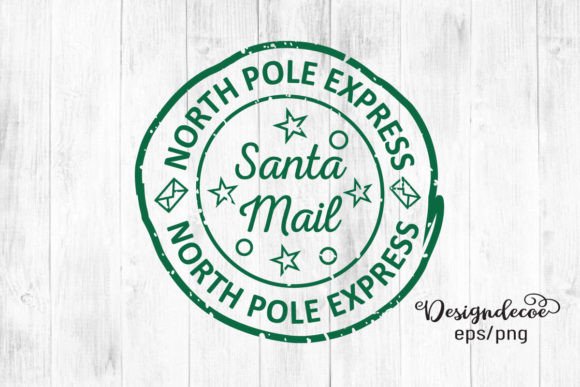
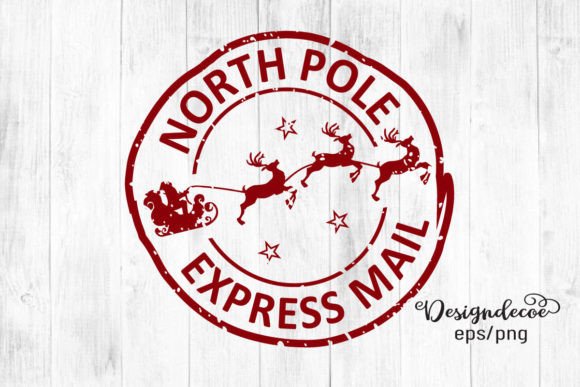
I’m looking at the North Pole Express Mail Santa Stamp design on my screen, and my first thought isn't about the files or formats, but about the story it tells. This isn’t just a graphic; it’s a mood. It feels nostalgic and official, like a charming rubber stamp from a bygone era, yet it’s crisp and ready for a hoop. The circular border frames Santa and his mail sack perfectly, creating a contained, emblem-like layout that’s inherently balanced. The level of detail—from the holly accents to the tiny “North Pole Express Mail” lettering—suggests a design that wants to be noticed, not just glanced at. It has a personality that leans toward the classic and collectible, which immediately points me toward projects where that warmth matters.
The Perfect Project for This Stamp
Let’s talk real-world application. I’m imagining a custom embroidered tote bag for a holiday gift. The recipient is a friend who cherishes handmade, story-filled items. This design, stitched onto a natural canvas bag, isn’t just decoration; it becomes a keepsake. The circular, logo-style format sits beautifully on flat surfaces like bags, aprons, or pillow covers. It would also shine as a central motif on a knit sweater’s chest or a tea towel hanging in a festive kitchen. For small business owners, especially Etsy sellers focusing on holiday merchandise, this stamp is a ready-made brand asset for a line of boutique products—think embroidered holiday aprons, special-order ornament bags, or personalized nursery decor for a December baby.
The clarity of the elements—Santa’s bag, the text, the border—means it translates well into stitch language. The solid shapes are ideal for clean fill stitches, while the finer lines and text will rely on precise running or satin stitches. It feels like a design meant to be a focal point, adding significant value and a professional, finished look to a handmade product. When a customer sees this on a gift, they recognize the effort and the theme immediately; it builds trust because it looks intentionally crafted, not haphazardly placed.
Where This Design Excels and Where to Be Cautious
In practical embroidery situations, the North Pole Express Mail Santa Stamp’s strength is its self-contained composition. On apparel like sweatshirts or t-shirts, it sits neatly without needing additional elements. For patches, the circular border creates a natural edge. As a digital embroidery file for commercial projects, its vector nature (easy to resize) is a huge benefit for scaling across different products—from a small cap logo to a large blanket motif.
However, this level of detail demands a thoughtful approach. That tiny lettering is the first thing I’d test on scrap fabric. On a small hoop size, or on textured fabrics like some sweaters, those letters could lose clarity. Similarly, the holly details within the border need a stabilizer choice that prevents puckering, especially on stretchy or thin fabrics. Embroidering this on curved surfaces like caps requires careful placement to keep the circle looking intact.
For dark fabric backgrounds, thread color contrast is paramount. You’d likely want a bright, classic red and white scheme, but testing in a black-and-white mockup first helps visualize the contrast. The design has dense areas (like Santa’s bag) and finer accents; balancing stitch density here is key to avoid a stiff feel on fabrics meant for frequent washing, like kitchen towels or baby clothes. Always test on the actual fabric you intend to use.
A Designer’s Practical Notes Before Hooping
My process with a design like this always starts with a checklist. First, I confirm the licensing for the intended use—is this for a personal gift or for selling finished products in my small shop? The product is listed under Logos and Graphics, which often implies commercial use, but always verify. Then, I look at the provided specs: it’s a vector file, easy to resize, which is excellent for flexibility. The 300 dpi PNG is great for printable mockups to preview products in my Etsy listings or craft fair previews.
I then move to my machine. I’ll resize the embroidery file to my intended hoop size and inspect the small details in my software. I’ll plan my thread colors, perhaps even playing with the easy color change feature to offer personalized versions—a green sack instead of red, for instance. I consider fabric texture: a smooth cotton for a pillow cover versus a rougher canvas for a tote will affect the final look. The goal is to make the stamped motif feel integrated into the product, not just slapped on.
The Final Impression: A Stamp of Quality
Ultimately, the North Pole Express Mail Santa Stamp design succeeds because it evokes a specific, beloved feeling. In an embroidery project, that feeling translates into perceived quality and care. It lifts a simple tote bag into a themed holiday carrier. It turns a basic sweatshirt into a festive, boutique-ready garment. For creative entrepreneurs, it’s a design asset that can anchor a whole collection of holiday items, ensuring brand consistency across different products.
Its giftability is high; it feels personal and special. As an experienced designer, I judge a design by how it performs after the stitching is done, not just on the screen. This one, with its strong shape and charming theme, promises to leave a clean, professional, and heartwarming impression on the final product. Just remember to respect its details: test, stabilize, and choose your backdrop wisely. Then, let this little stamp from the North Pole do its expressive work.